
7 Mistakes You’re Making with Used Clothing Bales (and How to Avoid Buying 'Filler')
- 13 hours ago
- 5 min read
Meta Description: Stop wasting money on "filler" stock. Learn the 7 critical mistakes resellers make when buying used clothing bales and how to master your ROI with Wear It Again Wholesale.
If you’re reading this on a Friday morning, you’re likely planning your inventory strategy for the weekend. Maybe you’re eyeing a massive 100kg bale of vintage wholesale UK stock, dreaming of the hidden gems inside. But here is the "tough-love" truth: if you don’t know exactly what you’re doing, that bale is a liability, not an asset.
In the reselling world, "filler" is the silent killer of profit margins. It’s the stained t-shirts, the fast-fashion rags, and the dated styles that sit in your death pile for months. Most resellers treat buying used clothing bales like a lottery. They hope for a win.
At Wear It Again Wholesale, we don't believe in hope. We believe in data, grading, and ROI. If you want to scale from a Depop side-hustle to a professional operation, you need to stop gambling and start procuring.
Here are the 7 mistakes you’re making with your bulk vintage clothing purchases: and how to fix them today.
1. Buying "Unsorted" or "Raw" Bales
The biggest mistake a reseller can make is being seduced by the low price point of "unsorted" bales. You see a price like £2 per kilo and think you’ve struck gold. You haven't.
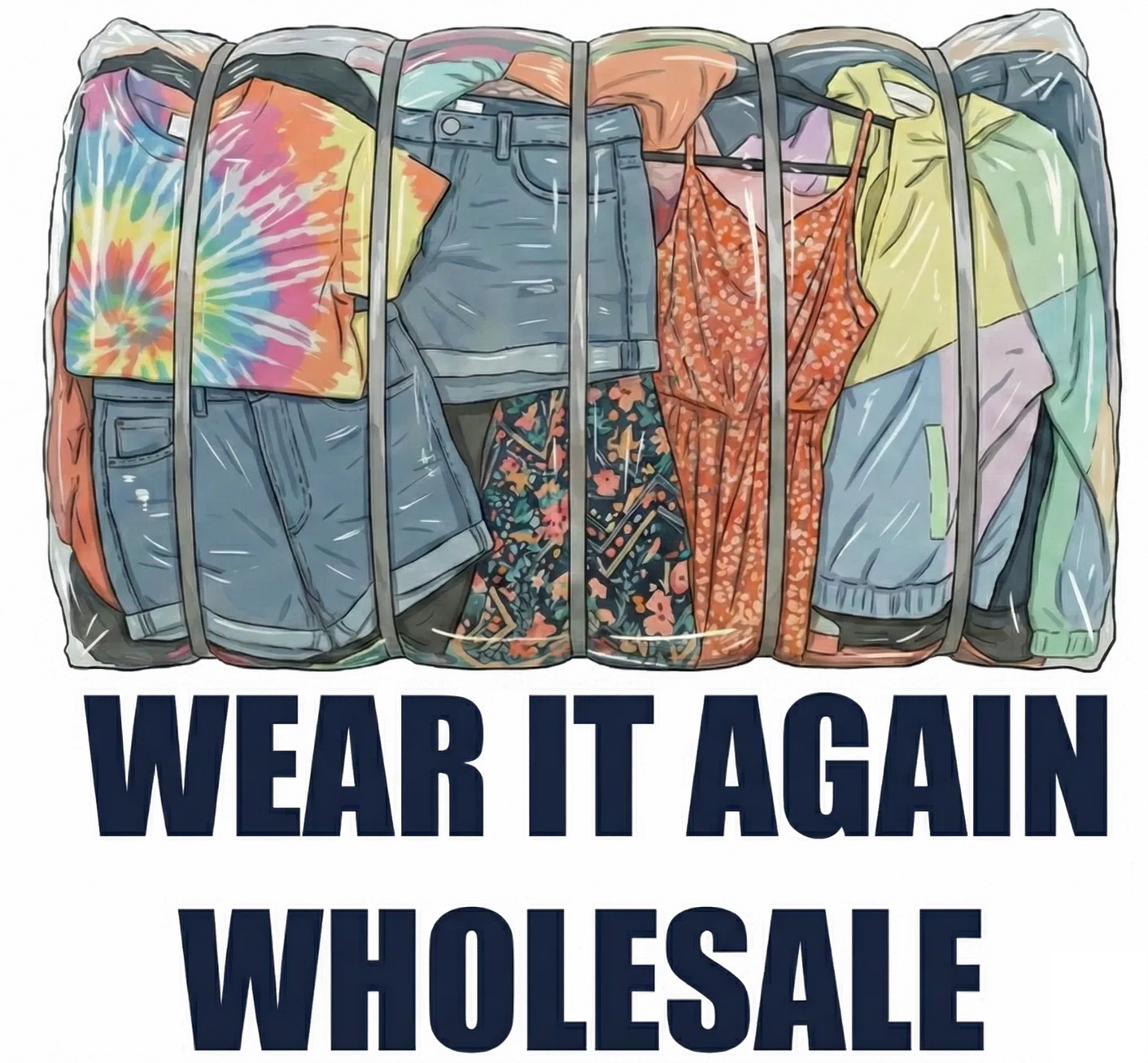
Unsorted bales are essentially the leftovers of the industry. When a bale is truly unsorted, it hasn't been graded for quality or style. This means you are paying to ship heavy weight that is often 50-70% waste. You aren't buying inventory; you're paying someone else's waste disposal fees.
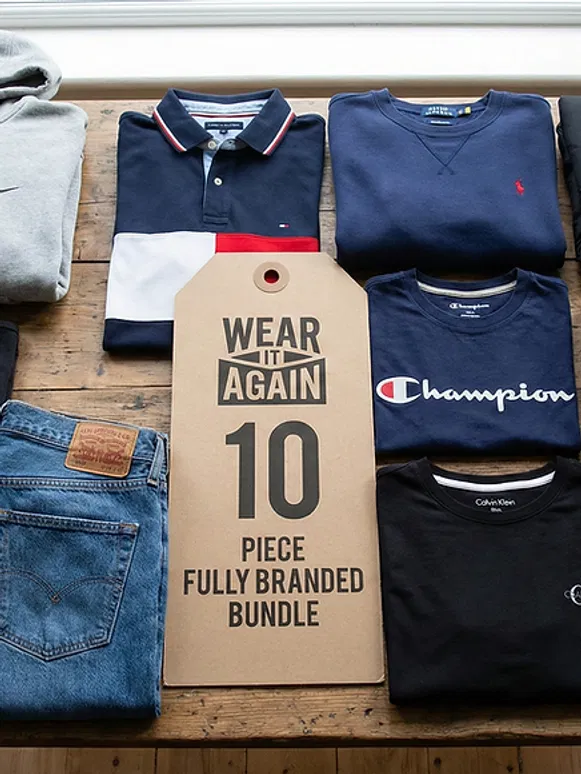
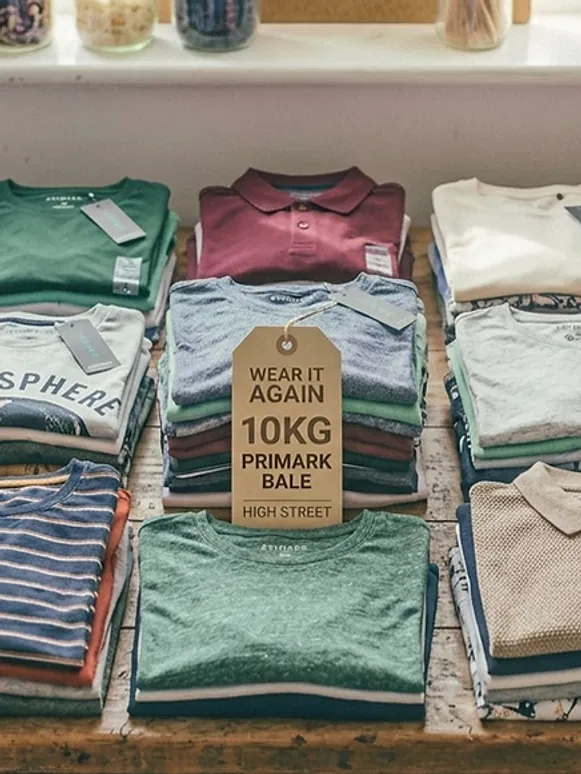
The Fix: Always buy graded stock. At our Doncaster unit, we hand-sort every single piece. Whether you are buying a fully branded 20-piece bale or a 10kg high-street mix, you need the assurance that the "sorting" has already happened. Stop paying for the privilege of throwing things away.
2. Failing to Calculate the "True Unit Cost"
If you buy a 20kg bale for £200, you might tell yourself your unit cost is £10 per kilo. But if 5kg of that bale is "filler" (unwearable or unsellable), your real cost for the sellable items has just jumped by 25%.
Professional resellers focus on the sellable unit cost. If you don't account for the filler, your ROI and pricing strategies will be fundamentally flawed.
The Fix: Track your data. When you open a bale, weigh the sellable vs. the non-sellable. If your current supplier is giving you more than 10% filler, they are stealing your profit. We pride ourselves on a no-filler guarantee because we know that every gram matters to your bottom line.
3. Chasing the Lowest Price Instead of the Best Margin
There is a massive difference between cheap and profitable. A £50 bale that you can’t sell for more than £100 is a waste of your time. A £200 bale that you can flip for £600 is a business.
Resellers often get stuck in the "thrifter mindset," looking for the lowest entry price. But as you scale your side-hustle, you must transition to the "Wholesale Mindset." You aren't looking for a bargain; you're looking for a margin.
The Fix: Focus on Grade A/B stock. High-quality wholesale vintage clothing carries a higher upfront cost but requires less cleaning, less photo editing, and attracts higher-paying customers on Vinted and eBay.
4. Ignoring the Grading Definitions
"Grade A" means different things to different suppliers. To some, it means "has no holes." To us, it means "near-perfect condition, ready to list."
If you aren't clear on your supplier's grading definitions, you will inevitably end up with a bale full of "Grade B" that was sold to you as premium stock. This is where most "filler" creeps in: items that are technically wearable but aesthetically dead.
The Fix: Look for transparency. At Wear It Again, we are open about our Doncaster-based grading process. We distinguish between Grade A (top quality) and Grade B (minor marks/wear), allowing you to price accordingly.

5. Not Having a Strategy for Grade B Stock
Mistake number five is binary thinking: "If it's not perfect, it's filler." This is a profit leak.
Grade B items: those with minor washable marks or slight fading: are actually excellent for "value bundles" or high-volume sales. If you throw away every item with a small flaw, you are throwing away money. However, if you try to sell Grade B at Grade A prices, you'll destroy your seller rating.
The Fix: Diversify your listings. Use vintage bundles to move lower-grade stock quickly. Be honest in your descriptions. A Grade B Ralph Lauren polo still has value, but only if the customer knows what they are getting.
6. Buying Blind Without a "Video Manifest"
In 2026, there is no reason to buy a bale without seeing what’s inside. "Mystery" is the enemy of the professional reseller. When you buy a "blind" bale, you are essentially trusting the supplier to put their best stock in your box. Human nature suggests otherwise.
The Fix: Look for products that offer a "Video Manifest" or clear, representative photos. Our TRS 2KG Branded Bales and curated starter bundles show you exactly the type of quality you can expect. No surprises, just stock.
7. Paying Full Price for Every Bale
If you are buying one-off bales every week at retail prices, you are leaving 20% of your profit on the table. In a competitive market, those 20% margins are the difference between a hobby and a full-time career.
Professional reselling is about procurement efficiency. If you are serious about scaling to a top seller, you need to leverage trade benefits.
The Fix: Join the VIP Trade Membership. You get 20% off every order, which instantly boosts your profit margins. Plus, with a 7-day free trial, there’s no excuse not to professionalize your buying process.
The ROI of No-Filler Procurement
When you stop buying filler, your business transforms.
Time Savings: You spend less time washing, prepping, and complaining to suppliers.
Space Savings: Your storage area isn't cluttered with "death piles" of unsellable rags.
Customer Loyalty: Your Vinted and Depop feedback scores skyrocket because every item you send out is high quality.
As we move through 2026, the market is getting more crowded. The winners won't be the ones who find the cheapest rags; they will be the ones who master the art of sourcing high-quality, preloved clothing wholesale at the right price.
Ready to Upgrade Your Inventory?
Stop settling for the industry standard of "mostly filler." Whether you're looking for wholesale clothing for resellers or specific vintage bales wholesale, we have the graded stock to help you win.
Tomorrow, we’ll be wrapping up our 7-day series by looking at the environmental impact of your business. We've already saved 15 tons of clothing from landfills in 2026: find out how your reselling journey is part of that mission.
Until then, go check your inventory. If it’s more than 10% filler, it’s time to change your supplier.
Explore our No-Filler Bales Here