
7 Mistakes You’re Making with Bulk Vintage Clothing (and How to Fix Them)
- Apr 29
- 5 min read
If you’re reading this, you’re likely already selling on Vinted, Depop, or eBay. You’ve probably felt that rush of adrenaline when a "Sold" notification pops up. But let’s be honest: are you running a business, or do you have a time-consuming hobby?
Most resellers hit a ceiling because they treat procurement like a game of luck. They buy a random sack of clothes, spend six hours washing and photographing, and pray they break even. That isn't how you scale. To move from a side-hustle to a professional wholesale operation, you need to stop making the amateur mistakes that drain your bank account and your energy.
At Wear It Again wholesale, we see these mistakes every day. Here are the seven biggest traps in the bulk vintage clothing world and, more importantly, the high-impact fixes you need to implement today to protect your margins.
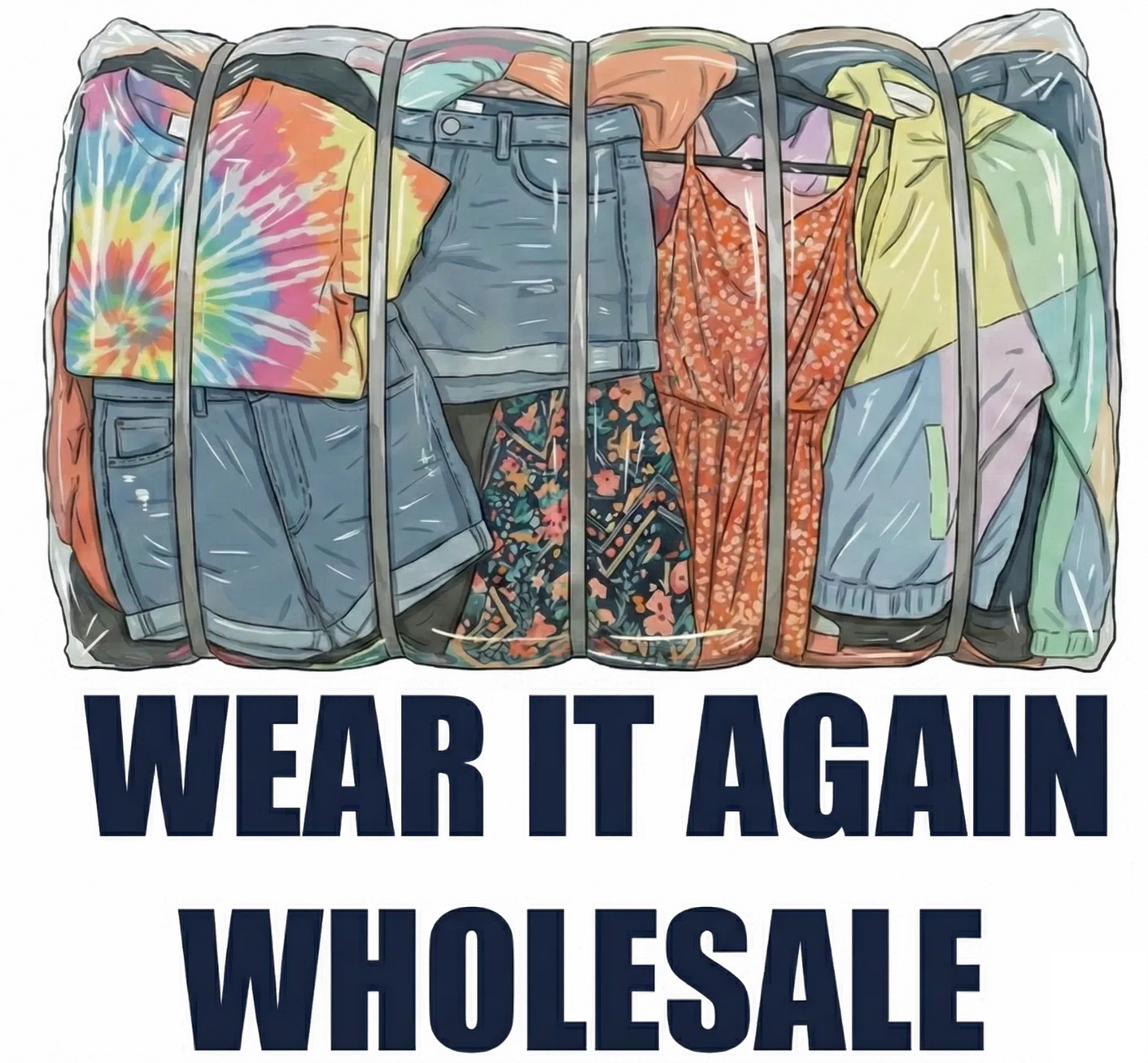
1. Buying "Raw" or Unsorted Bales
The biggest mistake new resellers make is chasing the lowest possible price per kilo. You see a "raw" bale advertised for £2/kg and think you’ve struck gold. You haven't. You’ve bought a disposal problem.
The Mistake: Unsorted or "raw" bales often contain 50-70% waste. This includes stained items, torn fabrics, and "fast fashion" filler that has zero resale value. When you buy raw, you aren't a reseller; you're a textile recycler who hasn't been paid yet.
The Fix: Purchase stock that has been professionally graded. Yes, the price per kilo is higher, but your sell-through rate will be exponentially better. Stop paying for weight you’re just going to throw in the bin. Look for a no-filler guarantee so every gram you pay for has the potential to return a profit.

2. Ignoring the "True Unit Cost"
Amateurs look at the total price of a bale. Professionals look at the cost per sellable item. This is the only metric that determines whether your business lives or dies.
The Mistake: You buy a 20kg bale for £200. You assume your cost is £10/kg. But after sorting, you realize only 15kg is actually listable. Your true cost isn’t £10/kg: it’s £13.33/kg. If you don't calculate this "True Unit Cost," you’ll end up pricing your items too low and eating your own margins.
The Fix: Master the math of the bale. Before you even list an item, subtract the "filler" weight and divide the total cost by the number of high-quality pieces. If you’re buying wholesale clothing bales UK, aim for a 3x to 5x return on your total investment. If the math doesn't work, the stock doesn't work.
3. Settling for "Mystery" Quality Grades
If you don’t know exactly what "Grade A" means to your supplier, you are gambling with your capital.
The Mistake: Many wholesalers use vague terms like "Premium" or "Good Condition" without a written policy. This leads to "Mystery Grade" syndrome, where you open a bale only to find "vintage character" (which is just a fancy word for holes).
The Fix: Demand transparency. At Wear It Again, we operate out of our dedicated Doncaster grading unit. Every piece of preloved clothing wholesale we sell goes through a rigorous hand-sorting process. We don't hide behind vague terms. You should only buy from suppliers who have a clear, publicly available grading policy. Our Doncaster team ensures that Grade A means Grade A: minimal wear, no major flaws, and ready to list.
4. Chasing Trends Instead of Foundations
It’s tempting to hunt for that one rare 90s streetwear piece that might sell for £200. But relying on "grails" is a recipe for inconsistent cash flow.
The Mistake: Spending all your capital on high-risk, high-reward items while ignoring the bread-and-butter stock that keeps your shop active.
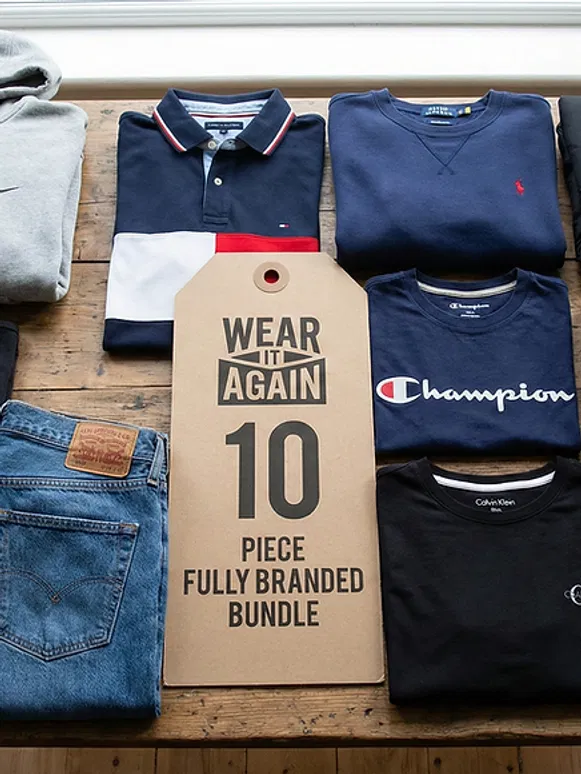
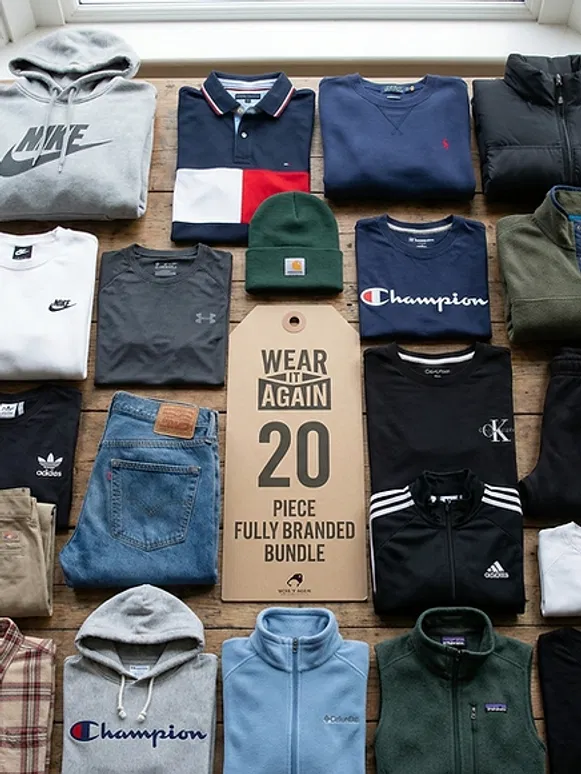
The Fix: Build your inventory around consistent vintage bundles. Think branded sweatshirts, denim, and high-street staples. These items have a high "velocity of sale": they might not make you a millionaire overnight, but they sell every single day. Use reseller clothing bundles to keep your "New In" section fresh and your cash flowing.
5. Failing to Specialise Your Inventory
The "General Store" model is dying. If you’re selling 70s floral dresses alongside 2000s tracksuits and Primark basics, you’re making it impossible for customers to follow your brand.
The Mistake: Buying mixed bulk vintage clothing without a niche. This confuses the algorithms on platforms like Depop and makes it harder to build a loyal customer base.
The Fix: Find your niche and dominate it. Whether it’s branded only streetwear or vintage workwear, specialising allows you to become an expert in pricing and authenticating that specific category. It also makes your sourcing more efficient because you know exactly which vintage bales wholesale will provide the highest ROI for your specific audience.
6. The "Sunk Time" Fallacy
Your time is your most expensive resource. If you spend five hours "hunting" in charity shops to find three items, you aren't a business owner; you're a hobbyist.
The Mistake: Thinking that "handpicking" every single item is the only way to ensure quality. While handpicking has its place, it is impossible to scale a business this way. You hit a limit on how many shops you can visit in a day.
The Fix: Transition to a wholesale model. Instead of finding 10 items a day, buy 100 items at once in vintage wholesale UK sacks. This allows you to focus on the high-value tasks: photography, SEO-optimized descriptions, and customer service. If you really want that "handpicked" feel without the travel, look into 10-20kg sacks which offer a curated selection without the retail price tag.

7. Paying "Retail" for Wholesale
If you are paying full price for every bale you buy, you are leaving thousands of pounds on the table every year.
The Mistake: Treating wholesale purchases as one-off transactions rather than a strategic partnership.
The Fix: Unlock trade pricing. In any other industry, volume and loyalty earn you a discount. Why should reselling be any different? You should be looking for ways to reduce your overheads automatically. For example, our VIP Membership offers a 20% discount on every single order. If you’re spending £500 a month on stock, that membership saves you £100 a month: £1,200 a year. That’s enough to buy several extra exact bales for free.
The Evolution: From Hobby to Wholesale Powerhouse
The difference between a reseller who makes "a bit of extra cash" and one who builds a five-figure-a-month business is procurement strategy. By avoiding the "raw bale" trap, mastering your ROI math, and utilizing the hand-sorted quality coming out of our Doncaster unit, you set yourself apart from the competition.
Stop guessing. Start calculating. If you're ready to stop making these mistakes and start scaling, check out our current popular bales and see the difference that professional grading makes.
Remember: Every minute you spend sorting through "filler" is a minute you aren't making a sale. Let us do the grading so you can do the growing.
Comments